




How To Make Super Soil For Cannabis Plants

- 1. Cannabis nutrition and soil
- 2. What is super soil?
- 3. Why make super soil?
- 4. Pros of super soil
- 5. Cons of super soil
- 6. Making your own super soil
- 6. a. Supplies
- 6. b. Step-by-step guide
- 6. c. The composting process
- 7. Using your super soil
- 7. a. How to avoid root burn with super soil?
- 8. Premade super soils for cannabis cultivation
- 9. In conclusion
Super soil became widely known after SubCool, a legend in the cannabis world, released his recipe intended to be used to grow cannabis. This type of soil refers to soil that has been prepared to contain all the nutrients feminized seeds need throughout their growth cycle. So if you want to learn how to prepare super soil in 2026, read on!
1. Cannabis Nutrition and Soil
Apart from sunshine and water, soil is the most important aspect of a cannabis plant's lifecycle. Soil not only provides the support a plant needs for its root system to thrive, but it also acts as the medium to allow the plant to take up all the vital nutrients that allow the plant to thrive.
A good soil mix does more than supply nutrients. Its structure determines how easily water drains, air reaches the roots, and new roots can grow. A balanced mix should retain enough moisture between waterings while leaving air-filled spaces for root respiration and beneficial soil organisms.
Before we dive into what exactly a super soil is, let's break down the basic nutrients that every plant feeds off, and how your own homemade mix can help balance these nutrients so your weed plants have exactly what they need.
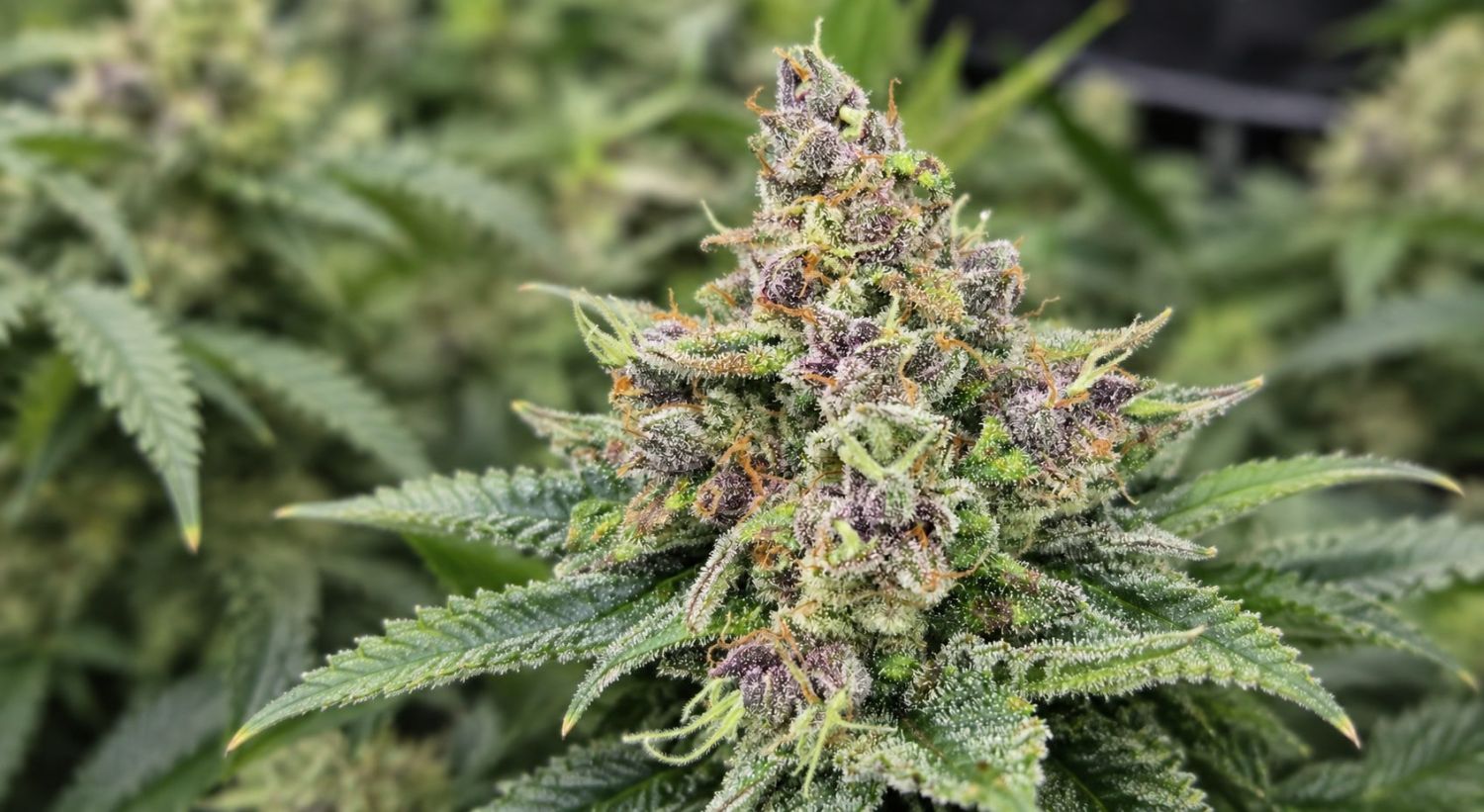
So, besides the essential water and sunshine, there are three main nutrients that every cannabis plant needs. Every single fertilizer will have a readout of these three nutrients, and cannabis plants need varying amounts depending on which part of the growth cycle they are currently in.
Nitrogen
This is vital as it is the main component of chlorophyll. Chlorophyll is the compound plants use to capture the energy from sunlight to produce complex sugars during photosynthesis. It also plays a role in amino acid production, which are the building blocks of the proteins a plant needs for basic survival.
Phosphorus
Phosphorus plays a huge role in healthy root development, improves flower formation, and is crucial for the production of ATP and phospholipids, which build the cell membranes.
Potassium
(Otherwise known as Potash) Potassium aids in water, nutrient, and carbohydrate movement throughout the tissue of cannabis plants. It also aids photosynthesis, strengthens the cell walls, and regulates C02 uptake.
These are the three main nutrients found in all fertilizers, but there is also a multitude of other micronutrients that are vital for healthy cannabis growth. Plant nutrients are grouped according to how much plants need. Nitrogen, phosphorus, and potassium are primary macronutrients; calcium, magnesium, and sulfur are secondary macronutrients.
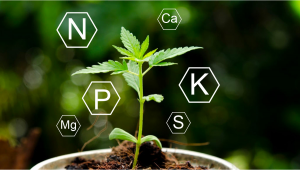
Essential micronutrients include iron, manganese, zinc, copper, boron, molybdenum, chlorine, and nickel. All are important, even though plants need them in different amounts. A super soil takes these micronutrients into account and uses organic matter to add them to the mix.
2. What is super soil?
Super soil can be made with organic homemade or store-bought products and is designed to contain all the nutrients a cannabis plant needs from seed to harvest.
The soil is prepared with 100% organic components that contain living microorganisms that help create an ecosystem similar to the one we find in nature.
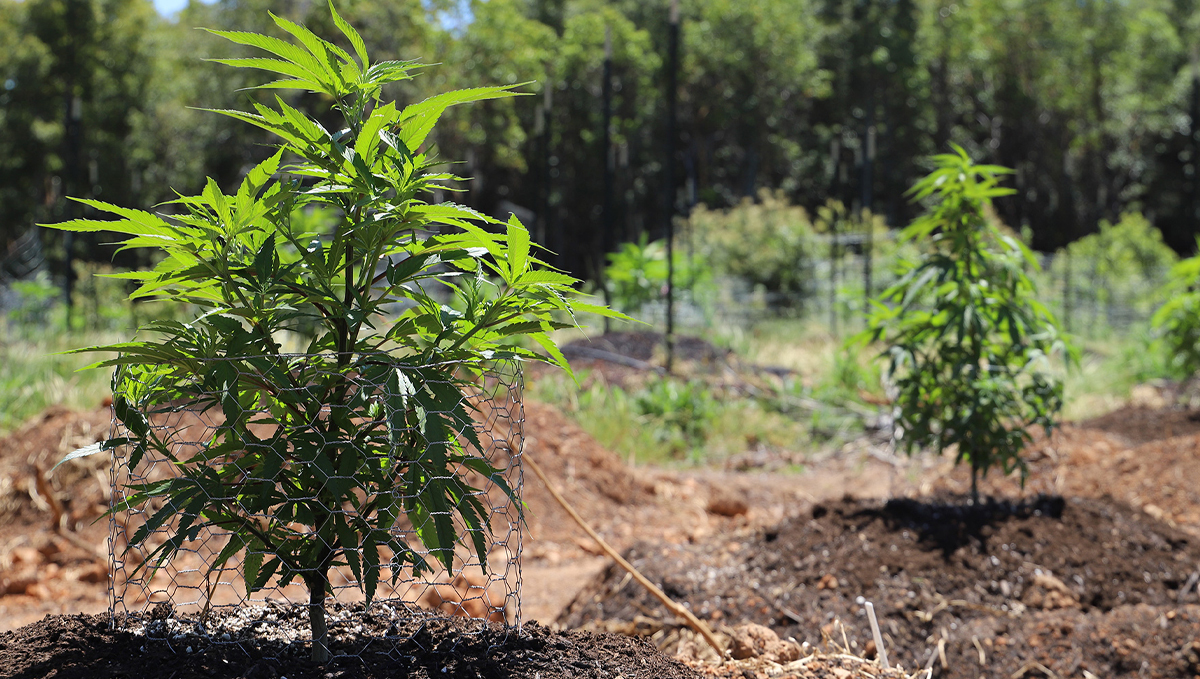
Just like in nature and other methods such as composting, for example, super soil consists of creating and maintaining the beneficial microorganisms that work together in the soil. It’s a natural way of increasing the quality of your harvest without using synthetic fertilizers or pesticides.
Remember that organic amendments do not always release their nutrients immediately. Microorganisms convert nutrients bound in organic matter into forms plants can absorb. The rate of release changes with temperature, moisture, aeration, and the type of amendment, so nutrient availability can vary even between batches made from the same recipe.
3. Why make super soil?
There are several benefits to growing in super soil. By using the correct recipe, you can create a 100% organic medium that is almost identical to the soil where cannabis plants thrive in nature.
Growing in super soil also facilitates the process of growing cannabis. When done correctly, you will only need to water. There won’t be a need to check pH (after checking the pH of the water source), add more nutrients, or do anything at all other than checking your plants and making sure they’re growing as they should.
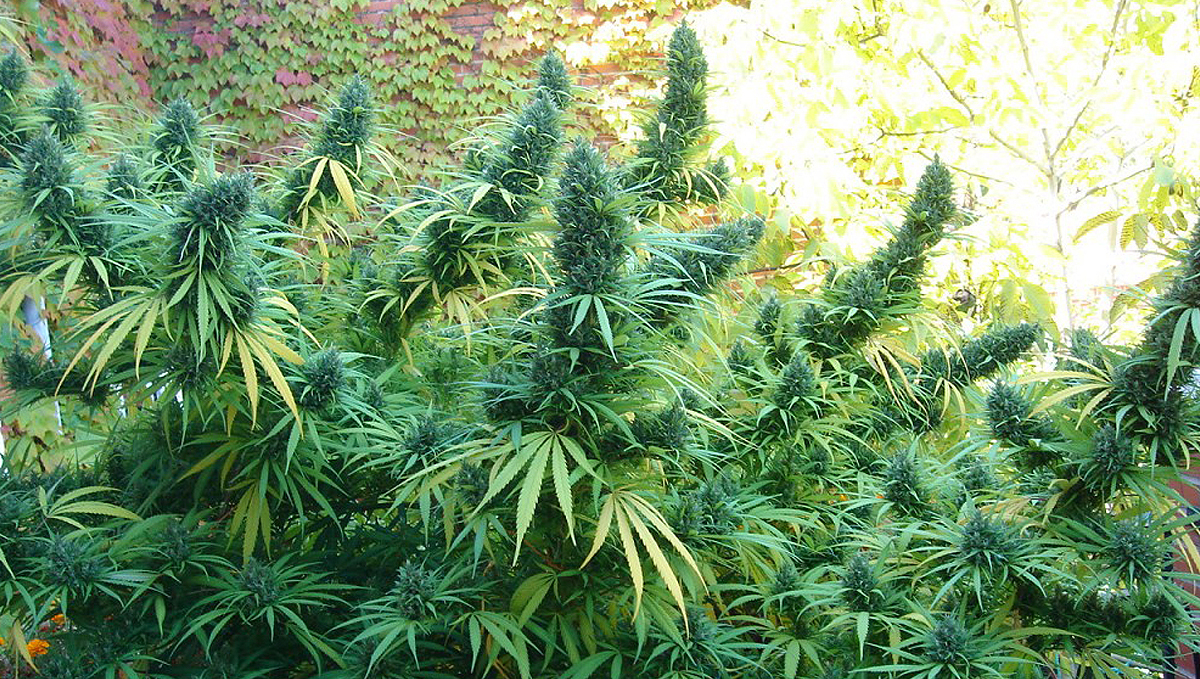
Not only that, as long as you keep the microorganisms alive and maintain your super soil properly, you can reuse it indefinitely, and as time passes, it will be richer and consequently result in better harvests after each cycle.

4. Pros of Super Soil
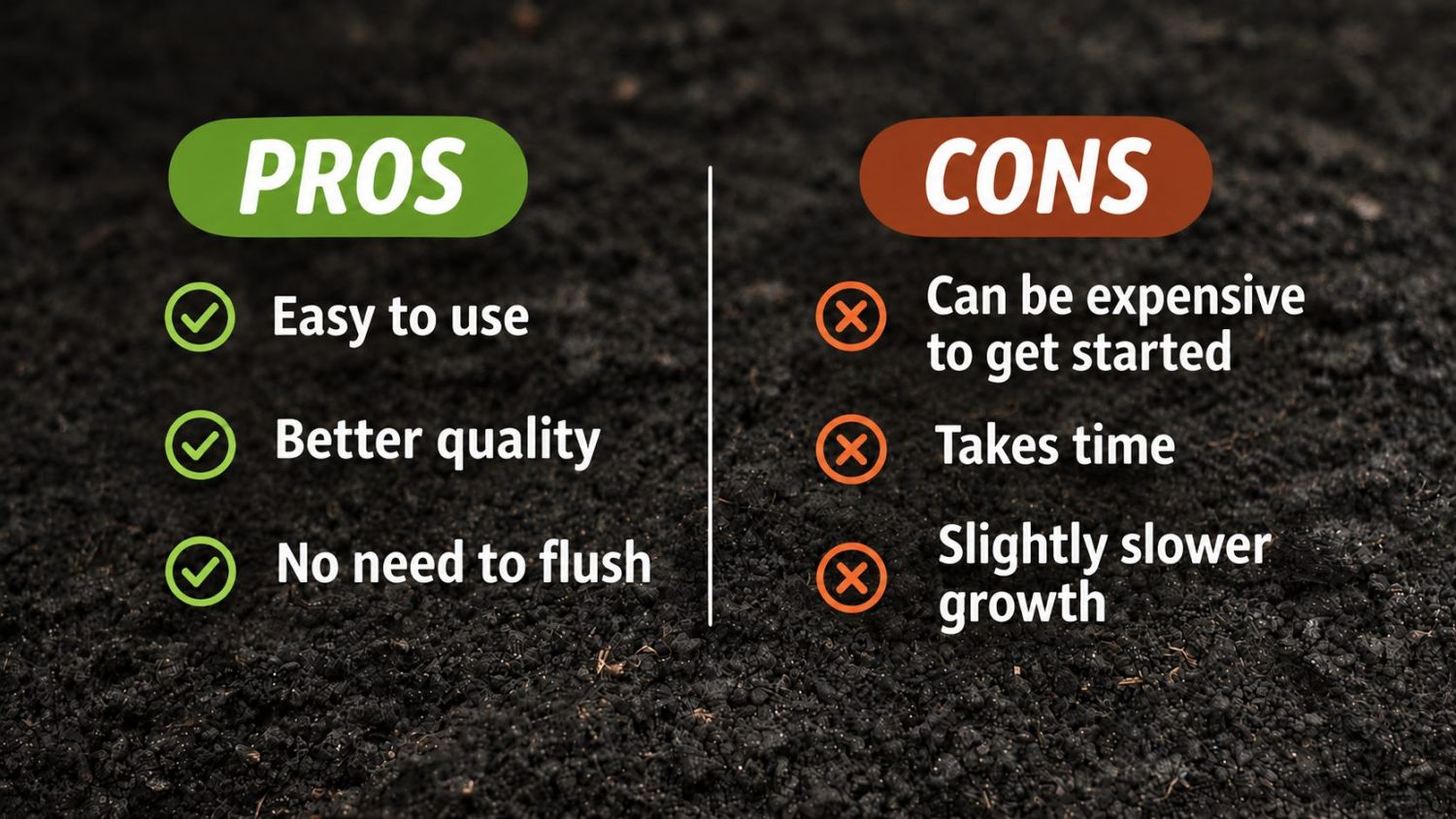
Easy to use
Super soil is super easy to use once you’ve made it because it’s made from organic sources, so you don’t need to check pH (if your water source is “clean”) or add extra nutrients.
Better quality final product with increased yields
Super soil will not only result in a better smell and flavor but will also produce smoother flowers. The majority of growers who use a super soil mix agree that the mix produces the highest quality buds, with superior terpene profiles, maximum resin production, and less harshness from over-fertilization.
No need to flush
Since you’re not using synthetic nutrients and your plant chooses which and when to absorb nutrients, there won’t be a nutrient build-up.
Perfect for indoor or outdoor cultivation
Super soil works great no matter the growing environment. Of course, there are some benefits to other growing mediums (which is the reason why not every cultivator uses super soil at all times), but if organic growing is important to you, then super soil is the way to go, no question.
Organic, environmentally-friendly growing method
Most super soil mixes (and the one we highlight in this post) are made from 100% organic materials. No need for costly, harsh, inorganic fertilizers and additives. The results speak for themselves, with a final product that is covered in resin and smells like heaven.
5. Cons of Super Soil
Can be expensive to get started
Depending on where you live, it can be hard to find the right ingredients. You should use high-quality natural ingredients if you expect good results.
Takes time
Making your own super soil from scratch can take 30-60 days before it’s ready, even though it takes a couple of months. The results are definitely worth it.
Slightly slower growth
Because you’re not feeding the roots directly, you may notice a slightly slower growth rate. This shouldn’t be a problem at all unless you have a deadline or want to harvest as fast as possible.
Mixing the soil takes time and effort
If you are looking for the easiest growing method with minimal effort required on your part, then using super soil might not be the method for you. But if you are willing to get your hands dirty and take some time to work on your soil before your grow starts, you will definitely not regret that little bit of extra work. The results really do speak for themselves.
6. Making your own super soil
Before making your own super soil for cannabis plants, make sure you have all the ingredients (you cannot add them later on when the soil is ready), and you have enough space to mix them. Depending on the amount of soil you’re making, it’s better to do it outside.
One very important thing is that you need a container or tarp to retain the heat generated during composting, as this heat is essential for the process to work properly.
Supplies
This recipe is based on SubCool’s cannabis super soil recipe. You can easily find alternatives and substitutes to some ingredients, but this one has been used by a lot of growers with great success. So, to prepare super soil, you'll need.
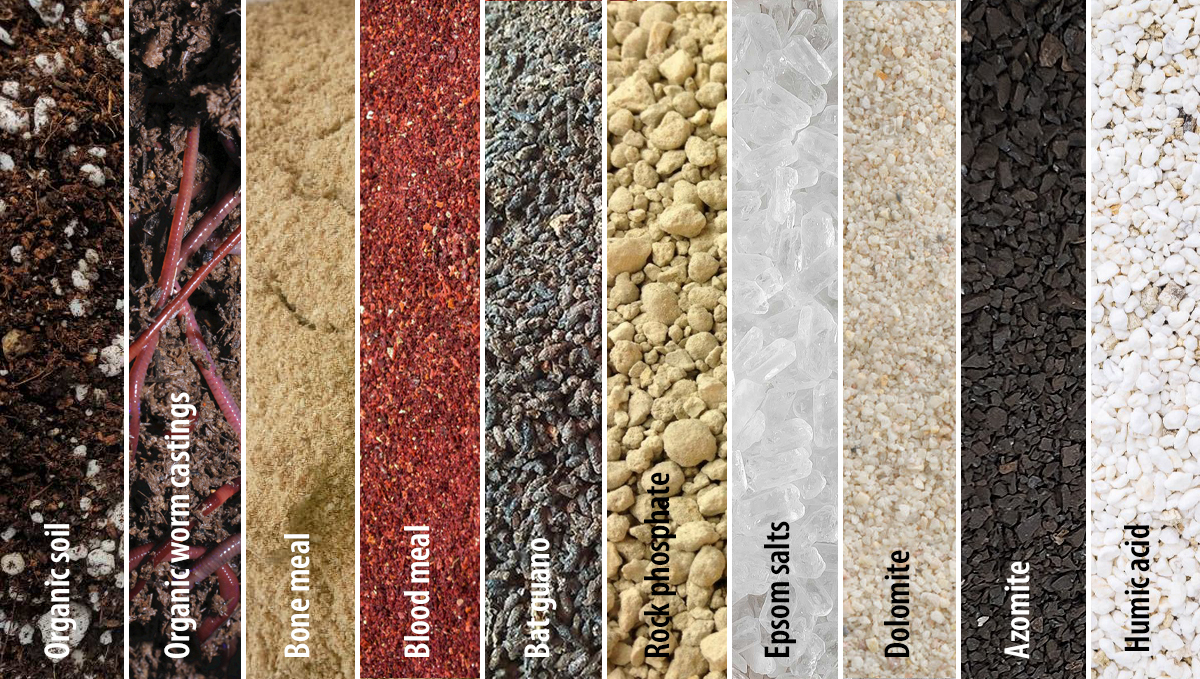
SubCool's Cannabis Super Soil Mix
| Ingredient | Amount |
|---|---|
|
Organic soil (with coco fiber and mycorrhizae) |
4kg |
| Organic worm castings | 2.2kg |
| Bone meal | 200g |
| Blood meal | 200g |
| Bat guano (for flowering) | 200g |
| Rock phosphate | 150g |
| Epsom salts | 100g |
| Dolomite | 65g |
| Azomite | 65g |
| Humic acid | 10g |
| Perlite (optional) | 1kg |
Note that the original recipe was designed to make 100 gallons of soil, but we've adjusted it for you to prepare super soil for 1-gallon pots (around 4kg).
Step-by-step guide
Have in mind that you can just throw everything in and mix it but following the step-by-step guide you guarantee the soil is mixed properly and avoid having to mix it over and over.
Step 1
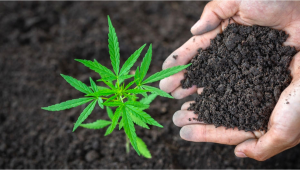
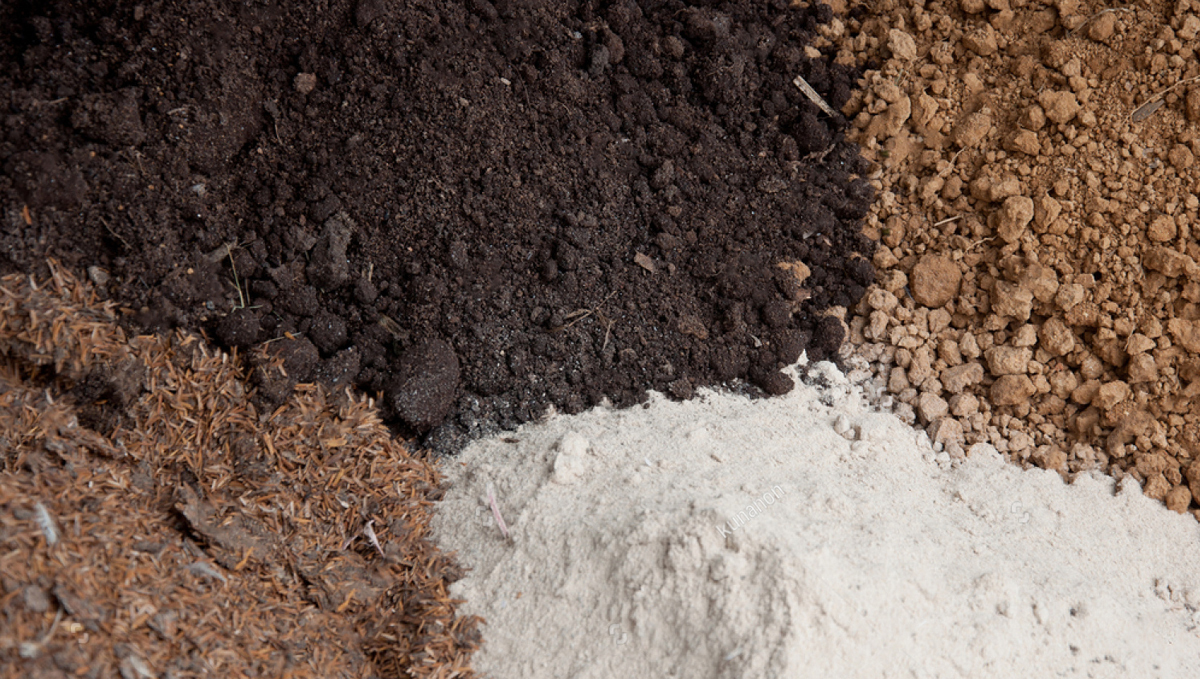
Spread 1kg of soil on the tarp. If it doesn’t contain coco fiber or mycorrhizae, you should add it now. You’ll need approximately 45g of mycorrhizae and 1kg of coco fiber.
Step 2
Add the bone meal and mix well.
Step 3
Sprinkle the azomite and dolomite over the entire pile and add another 1kg of soil on top.
Step 4
Add half of the worm castings and perlite (if you opted for using) and cover with 1kg of soil.
Step 5
Mix in the other half of the worm castings along with the blood meal, bat guano, Epsom salt, rock phosphate, humic acid, and top it with the last 1kg of soil, then mix thoroughly.
The composting process
Over the next 7-10 days, continue to mix the soil at least once a day until you don’t see any more spots where the ingredients are not mixed. When the 7-10 days have passed and the soil is well mixed, store it in a container (like a garbage can) or a tarp.
You need to keep the soil in a closed container so it doesn’t dry up fast. The soil needs to be constantly moist but not completely wet. Moisture is essential to continue the composting process, and if it dries up, the whole process will stop.
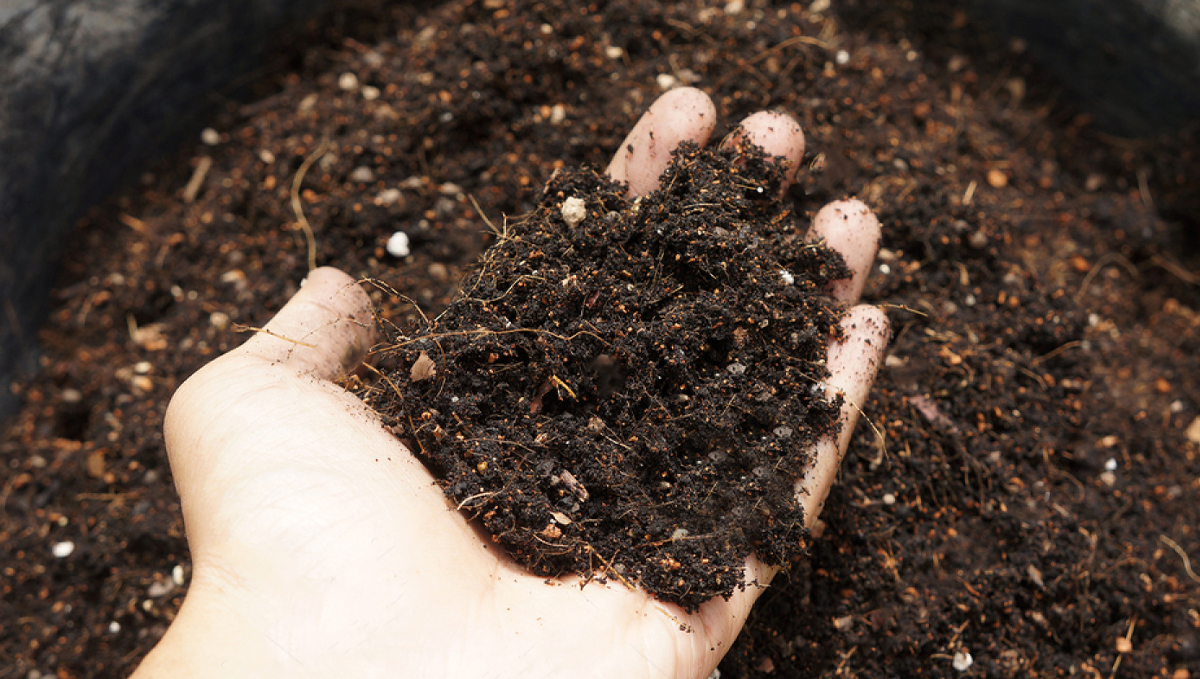
During the next 30-60 days, you will have to keep the soil mix in a sunny place. During this period, the super soil will start to emit heat, which is a sign that microorganisms are effectively breaking down the nutrients (composting process) and the process is going as it should.
After the composting period has passed, your super soil is ready to be used.
Super soil tips
- If you want to accelerate the process, you can also add worms to the mix; they will help aerate the soil and will help accelerate the process.
- Bugs love organic matter and rich soil. The soil mix you just made is the perfect place for bugs, so remember to check for bugs if your container or tarp is completely enclosed.
- The more you let your super soil compost, the more concentrated it will be. Have that in mind when you're going to use it.
7. Using your super soil
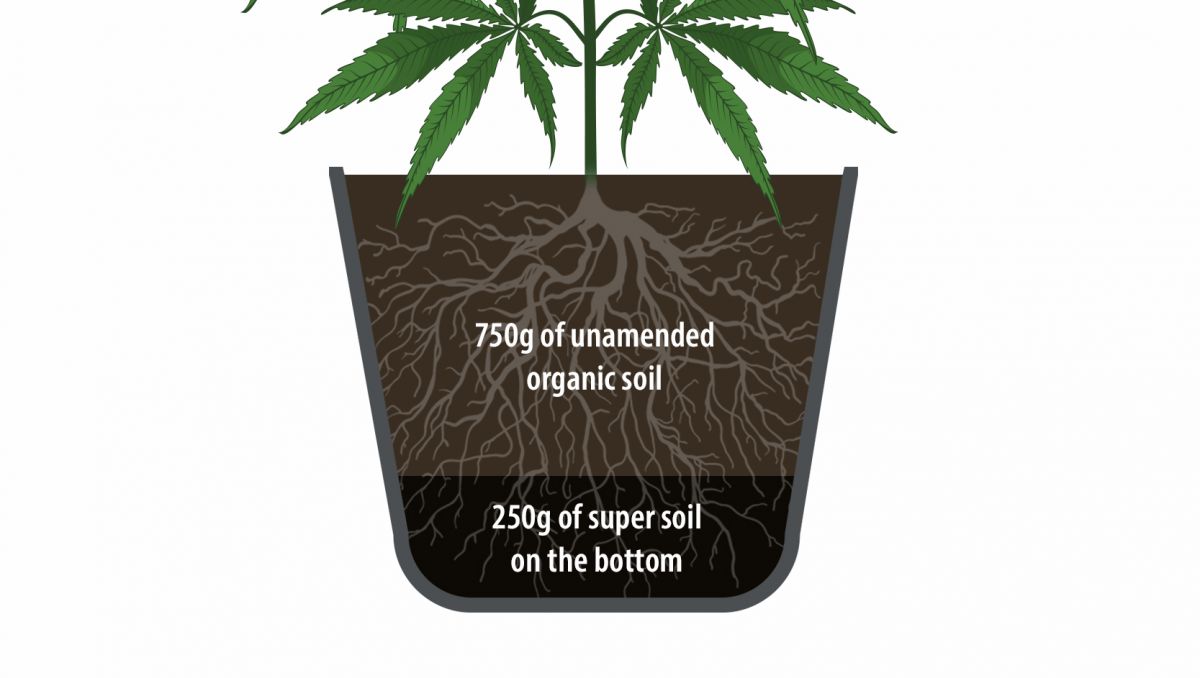
Have in mind that this super soil is super concentrated and can burn your plants, so you have to mix 1 part of super soil to 3 parts of normal organic soil, like the one you used in the super soil mix. For example, if your pot holds 1kg of medium, you’ll want to add 250g of the super soil in the bottom of the pot and then use 750g of regular soil on top.
If you think your plant needs more nutrients, you can add super soil as a slow-release top feed, which will release nutrients when watering.
Also, there’s no need to check or adjust the pH level of the soil or water you’re using as long as it ranges from 6-7 and doesn’t contain more than 400PPM of trace elements. If your tap water isn’t good enough, you can filter it first, and once the water source is good, there’s no need to check the pH again unless you see signs of deficiencies.
Soil pH affects how readily nutrients become available to roots, while electrical conductivity (EC) indicates the overall concentration of dissolved salts. A ppm or TDS meter estimates dissolved solids from conductivity using a conversion factor, so readings can differ between meters. None of these measurements identifies exactly which nutrients are present or whether they are balanced.
How To Avoid Root Burn With Super Soil?
Cannabis super soil contains everything your cannabis plants need from seed to harvest. However, depending on the nutrient content, it may be too strong for seedlings and can end up causing root burn. So if you’re planning on growing in cannabis plants in super soil, it’s recommended you either germinate the seeds in unfertilized soil and transplant them to a bigger pot with super soil once they’re around 2 - 3 weeks old.
Another good option is to fill the bottom ⅔ with super soil and the top ⅓ with the unfertilized substrate. This way, your plant only reaches the super soil once it’s big enough, but it isn’t an exact science because root development and plant growth depend on strain to strain and the growing conditions.
For autoflowering cannabis plants that are more sensitive to transplanting, you can prevent root burn by filling the bottom half of a 12 L pot with super soil, then placing a 3 - 5 L pot in the middle, and continuing to fill the 12 L pot with super soil. After you remove the smaller pot, you’ll be left with a hole the size of the pot, so you just fill it with unfertilized substrate and germinate the seed right in the middle. Doing this prevents root burn because your autoflowers will only reach the super soil once the roots have grown enough, which is when autoflowers start needing nutrients.
Remember that you only need to water super soil. There’s no need to add nutrients unless your plants are hungry!
8. Premade Super Soils for Cannabis Cultivation
When comparing ready-made super soils, look for a clear ingredient list, information about whether the mix is mature and stable, and any available pH or electrical-conductivity test results. Consistency between batches, transparent sourcing, and suitability for container growing are more useful buying criteria than broad claims about guaranteed yields or superior flavor.
There is a huge range of premixed super soils currently available on the market. While these can save you (the grower) a bit of time and effort and are an OK alternative to making your own mix, they are still a mass-produced item. If you are looking for the best results, then we suggest following Subpar's recipe laid out above. Sure, you do need to do some basic prep and work the soil for a while before it is ready to use. The results are almost guaranteed (as long as you follow the recipe closely). As they say, nothing good comes easy. Cannabis cultivation is a hugely rewarding hobby, so take the time and get your hands grubby. You won't regret it.
9. In conclusion
If you're looking for cannabis soil in the UK or anywhere else where you cannot find organic super soil, this recipe will help you with that. Super soil for marijuana is a great way to grow cannabis plants cheaply and effectively. Even though it takes longer than just mixing bottle nutrients, you will see the difference in the smell and flavor of your flowers, so make sure you grow strains with strong terpene profiles such as our Lemon Tree Auto!



















Feel free to help fellow growers prepare super soil by leaving tips or your own super soil recipe in the comment section below!
External References:
- Organic soil amendments for sustainable agriculture - Hue, Nguyen & Silva, J.A. (2000).
- Super Soil Systems - Gary Gereffi and Marcy Lowe (2008).
- Building Soil Organic Matter with Organic Amendments - Leslie Cooperband (2002).
FAQ
Super soil is a nutrient-rich growing medium designed for organic cannabis cultivation. It combines soil with amendments such as compost, worm castings, and natural fertilizers to provide nutrients gradually throughout the growing cycle.
Super soil works for both indoor and outdoor cultivation. Freshly amended mixes may need a few weeks to stabilize before use, although the waiting period depends on the ingredients and their maturity.
Absolutely! Homemade compost adds valuable nutrients and organic matter. Just make sure it's fully decomposed, and don't add too much, as excessive compost can cause nutrient imbalances or drainage problems.
Always make a little more than you think you'll need. Mix your ingredients on a large tarp to make the process easier and cleanup quicker. Remember, adding more nutrients doesn't always mean better results!
Not necessarily. Healthy, biologically active soil can buffer some pH fluctuations. However, it's worth checking your water quality, particularly its alkalinity, and monitoring soil pH to avoid nutrient availability problems.
Yes! Mature super soil can be used as a top dressing to introduce additional organic matter and nutrients. However, compost, worm castings, or fertilizers designed for top dressing may be better options.
Sure! Worms help break down organic matter, improve soil structure, and support nutrient cycling. They're especially useful in larger living-soil systems, although they're not essential.
It depends on the mix. Some super soils are suitable for seedlings, while heavily amended mixtures may be too nutrient-rich. Using a milder growing medium for young plants can help prevent nutrient stress.
Common problems include excessive nutrients, poor drainage, overwatering, and immature amendments. Keep the soil slightly moist and well-aerated during conditioning, but there's no need to turn it every day.
Not always! A well-balanced super soil can provide nutrients for much of the growing cycle. However, larger plants or longer growing periods may require additional feeding, depending on the soil's nutrient reserves.
Comments