




7 Tips on Growing Weed on a Balcony


- 1. Choosing the seeds
- 2. Selecting the right spot
- 3. Check for the light source
- 4. Pot sizes and growing mediums
- 5. Starting at the perfect timing
- 6. Train your plants and manipulate their size
- 7. Be a present plant parent
- 8. Try to mask all of those fragrances and aromas
- 9. In conclusion
Things aren't always perfect in this life, but things not being perfect should never be the reason to stop us from doing anything. Would you stop baking a cake if there's an ingredient missing? Most would try to find a way to go on. Well, the same happens with growing cannabis seeds. When a person is determined to grow their own weed plants, there is nothing that could stop them from doing it. And while not everyone has a big outdoor field or garden, or a spare room that seems ideal for setting up an indoor grow room, this doesn't stop us either. There is always a way.
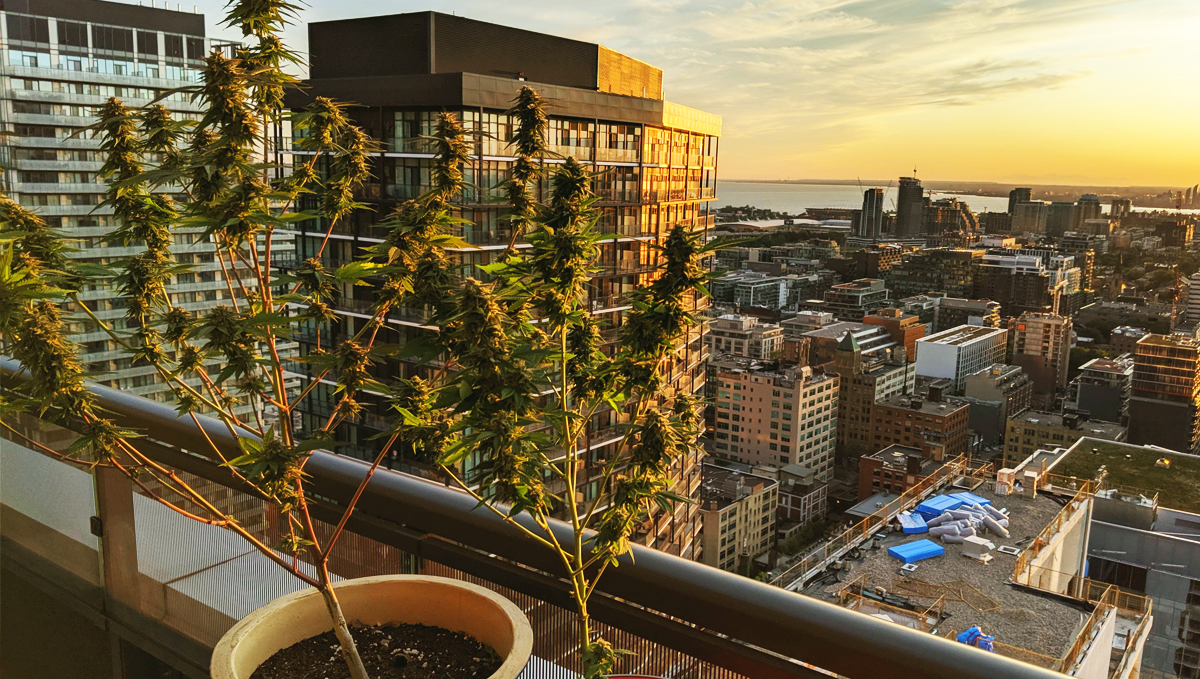
Growing marijuana on a balcony is a completely viable option, especially great for those living in a flat in big cities. The main things to check before growing weed on a balcony are:
- Light source;
- Space;
- Discretion;
- Growing medium;
- And the type of strains.
Let's find everything there is to know about growing weed on a balcony in 2026.
1. Choosing The Seeds
Before you start buying your growing gear, you'll need to choose the seeds, and in order to do so, you'll need to take a look at your future grow space and try to make out its qualities. How much sun comes through your balcony? For how many hours? Is the weather rather hot or cold? It's questions like these that will help you choose the right strains. When it comes to growing cannabis on a balcony, autoflowers are the best choice because they can flower under any light cycle and during any season. On the other hand, photoperiod strains will keep growing until they receive at least 12 hours of uninterrupted darkness per day, which typically happens closer to winter.

But what does this mean? Well, as the name suggests, photoperiodics means they depend on the light cycle to trigger flowering. This means you will have to plan, or you run the risk of having 2-meter-tall plants on your balcony. On the other hand, autoflowers depend on their age rather than the light cycle, which makes them the best option if you’re looking to grow top-quality weed on your balcony without attracting unwanted attention.
2. Selecting The Right Spot
What is the right spot? Ideally, it's one where your plants will have enough space to grow and express themselves, one where they can have access to natural light, and last but not least, one where you can hide them from any nosy neighbors. The amount of space you have will also help in choosing the type of strain. Indicas, for their part, tend to be smaller and chunkier than Sativas, which grow more upward than sideways.
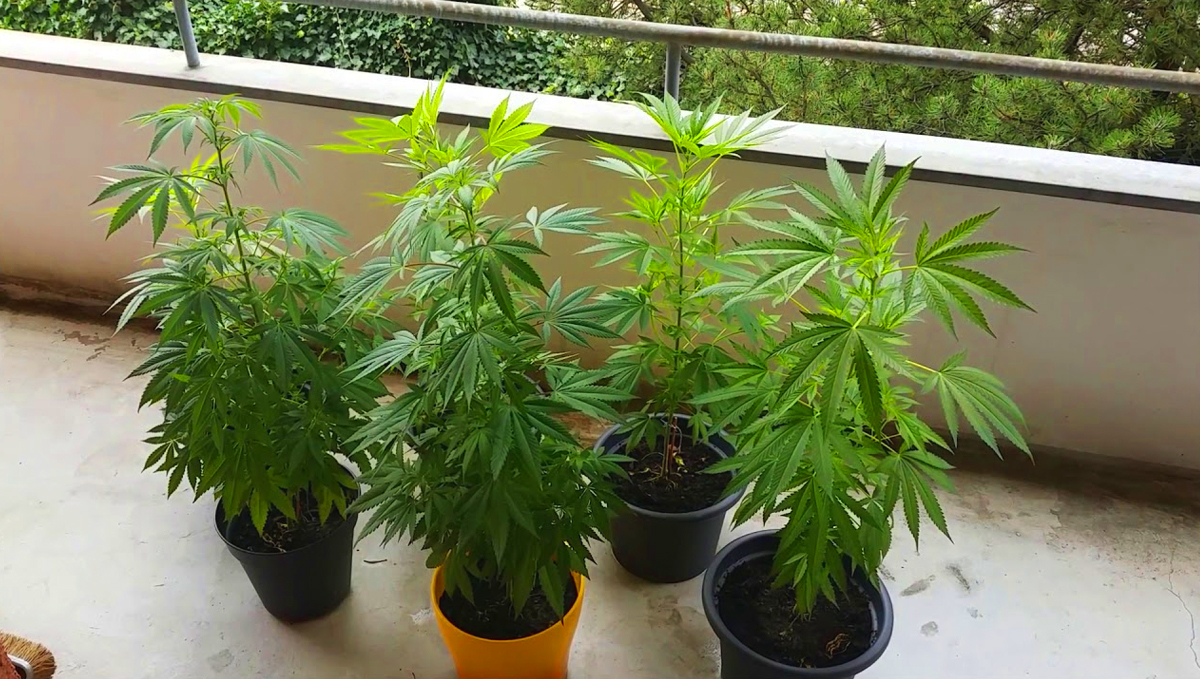
If you have a bigger space, this means you'll be able to grow your marijuana in bigger pots, which allows the plants more freedom to develop their roots and grow larger. Lastly, placing your cannabis plants next to other plants is a great idea, especially if surrounded by not-so-cool neighbors. Disguising your cannabis plants with some decorative plants and setting up an extra curtain could be the perfect solution.
But how do you identify the right spot? Well, all you need to do is go to your balcony or spot you’re planning on growing during different hours of the day. This will allow you to know precisely the conditions throughout the day, and most importantly, the amount of light your plants will get during the morning, afternoon, and evening. This will give you an idea of the result you will be able to get, as more light equals more yields and better quality. Always remember that your plants should get direct sunlight.

Don't forget that balcony conditions can change throughout the year. A spot that receives plenty of sunlight during summer might be shaded by nearby buildings during autumn. Wind exposure is another important factor, especially on higher floors. Taking a little time to observe your balcony before setting everything up can help you avoid surprises later on.
3. Check For The Light Source
As mentioned above, cannabis plants need direct sunlight, which means that you should be able to see the sun from the place your plants are growing. This method is not that precise, but as long as you can see the sun and ‘feel’ it, your plants will too. To guarantee you have chosen the perfect spot on your balcony, make sure you pay special attention to the light source and the amount of light your plants will be receiving. Try to place them on the sunniest balcony you can find at your place.
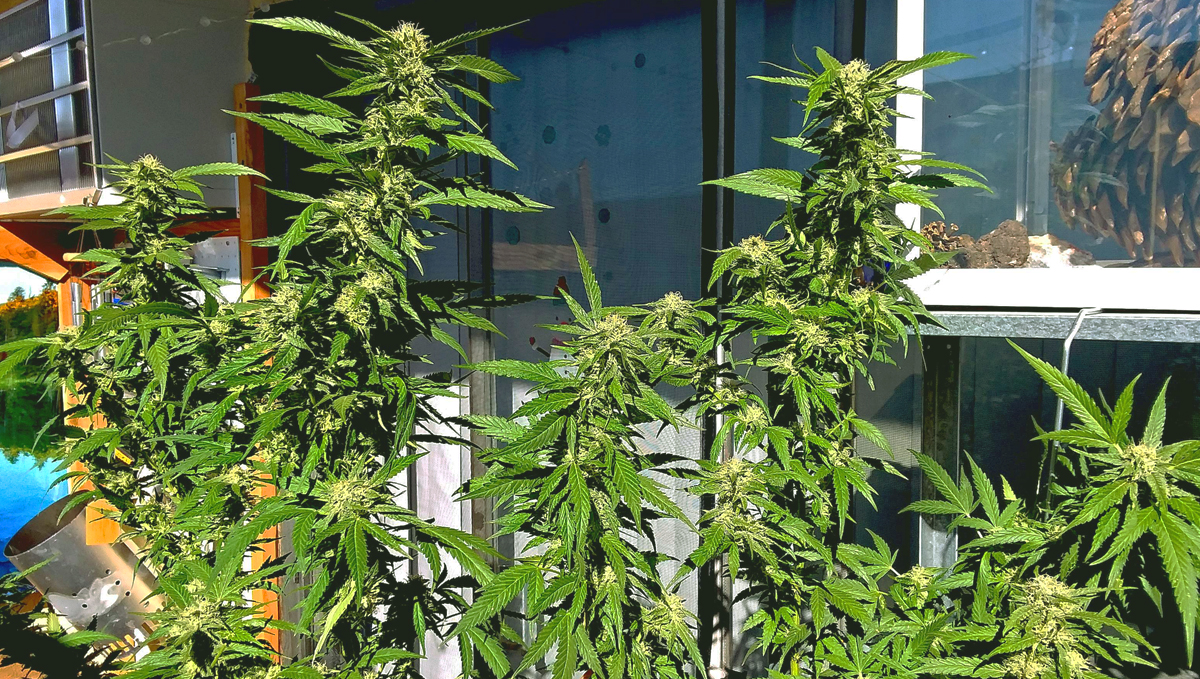
Keep in mind that the direction your balcony faces can make a big difference. In the Northern Hemisphere, south-facing balconies generally receive the most sunlight, while north-facing ones tend to be much shadier. East-facing balconies get more morning sun, whereas west-facing balconies receive stronger afternoon sunlight. Understanding these differences will help you make the most of the natural light available.
4. Pot Sizes And Growing Mediums
Growing weed plants on a balcony means you'll definitely need to purchase some pots.
Another important part about pot sizes is that the pot size can ultimately dictate plant size, and when growing on a balcony, you don’t always want your plant to grow up to 200cm cm, so remember to choose the pot size based on the desired size. With autoflowers, a 12-liter pot will allow them to grow to their maximum potential, which is around 150 cm, so if you’re looking to grow 60-120 cm autos, go for 8-liter pots.
One thing that's easy to overlook is how quickly pots can dry out when exposed to direct sunlight and wind. Dark-colored containers, in particular, can become quite hot during summer, affecting the temperature of the growing medium. Choosing pots with proper drainage and checking their condition regularly will help maintain a healthier environment for your plants.
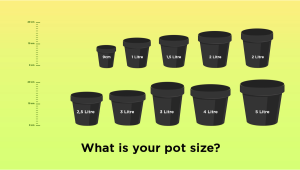
Remember that saucers are your best friends for getting rid of old, dirty, and unwanted water, so definitely get a couple of them. Your plant's growing medium is another vital aspect that will definitely influence the final results. When we grow directly in ground soil, cannabis plants have access to unlimited nutrients and the capacity to extend their roots as far as they need to get them. Growing weed on a balcony doesn't resemble this case at all. Therefore, in order to ensure your plants are well-fed and nurtured, we suggest you get high-quality soil to make up for the deficiencies of growing in pots.
The ideal growing medium should be organic, with good drainage and air circulation, such as coco coir; it should include worm castings, bat guano, and other fertilizers; and rocks/stones for extra drainage. Usually, high-quality soil comes with the necessary ingredients, like composted forest humus, perlite, worm castings, fish/bone/crab meal, kelp, etc. The ideal balance for planting is 80% soil and 20% worm castings, with a layer of stones at the bottom and some bat guano and fertilizers on top.
5. Starting At The Perfect Timing
When we grow cannabis outdoors or on a balcony, the timing in which we start planting is essential. The perfect time of the year to start planting is spring, so set alarms, mark it on your calendar, or whatever works to remind you to germinate your seeds in time.
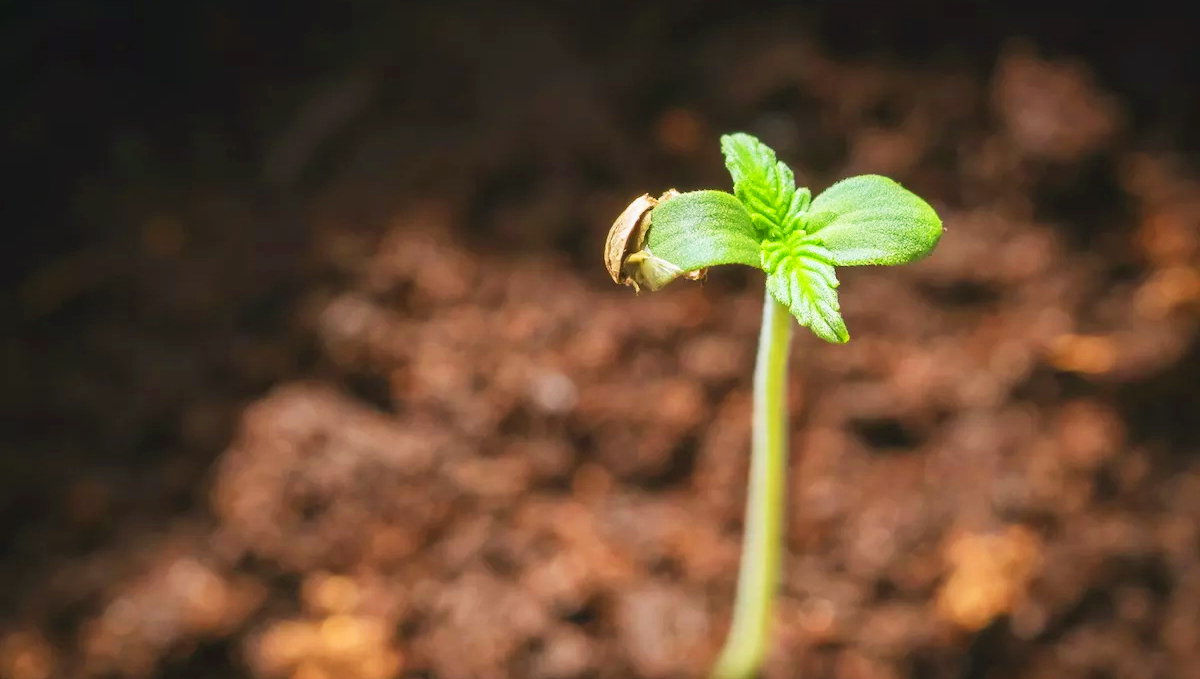
Actually, a couple of days prior to the arrival of spring is the ultimate germination time. This way, you'll earn some extra time for your plants to grow and fully develop. If the weather is still quite chilly by the end of winter or the start of spring, using some extra LED lights during the evenings isn't a bad idea to give your babies some extra support.
However, remember that the calendar doesn't always tell the whole story. Spring temperatures can vary considerably depending on where you live, and an unexpected cold spell can still occur after several warm days. Instead of relying on a specific date, pay attention to local weather conditions and seasonal changes when planning your balcony garden.
6. Train Your Plants And Manipulate Their Size
If your balcony space is limited or if you need to keep the operation low-key for some reason, then applying some training methods to your plants to keep their size small and controlled is the answer. The best time to start pruning your plants is after they're already comfortable in the vegetative stage, where the plant grows its build and structure to hold the buds later.
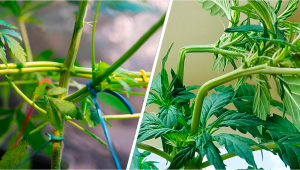
“Stealthy” weed plants should be short and compact. To achieve this, you'll need to train the plants to grow sideways instead of upward. To do this, you can employ plant training techniques.
7. Be A Present Plant Parent
Don't expect your plants to bring outstanding rewards if you're not willing to take care of them just as outstandingly. This means that if what you're aiming for is premium-quality results, you'll have to work for it just as much. When storms approach, take care of strong winds even more if you're living at heights, which could break your plants' stems. At the same time, long periods of rain also stress your plants. Beware of any chance of your soil becoming supersaturated with water by pulling your plant inside, when possible, in case of storms. No one wants to come home and find their plants with mold or bud rot, so make everything in your reach to avoid this.
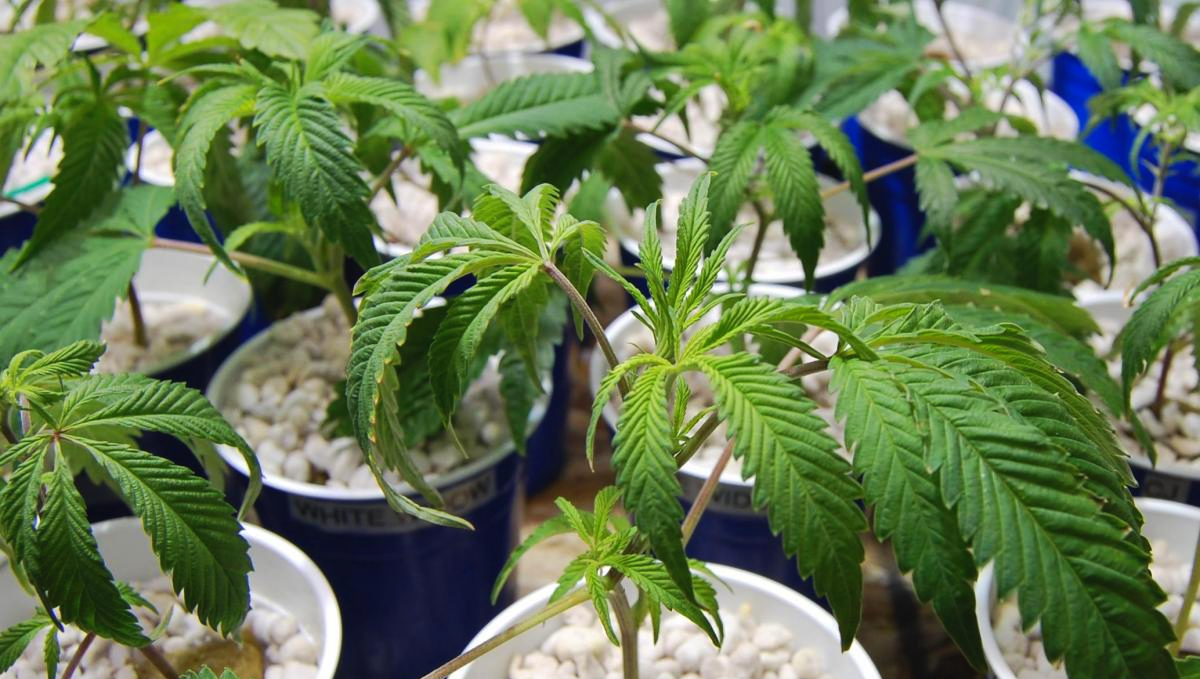
When it comes to the peak days of summer heat, take into account how 'thirsty' your plants might be. They can drink water very fast, so try not to forget to water your plants, especially during extremely hot days. Since prevention is the best way, get some bug-repellent companion plants, and you should be able to rest peacefully at night. The best companion plants include:
| Plant | Use |
|---|---|
| Basil | Repels thrips, beetles, aphids, and flies. |
| Marigold | Bugs prefer it over weed. Works perfectly as a distraction. |
| Beans | Fix nitrogen from the air and introduce it to the soil. |
| Garlic | Fungicide, pest-repellent. |
| Peppermint | Smell disguiser; ants, fleas, aphids, and flea beetles repellent. |
| Petunias | Squash bugs, beetles, and aphids repellent. |
Lastly, check on your plants in detail on a daily basis to look out for pests. No matter where you are planting, outdoors, indoors, or on your balcony, pests are always a threat we want to avoid.
8. Try to Mask All of Those Fragrances and Aromas
It is no big secret that cannabis is a stinky old plant, especially with the new-age genetics. Breeders have, for a long time now, been selectively cultivating weed to enhance certain genetic traits that we find attractive, chief among these being smell and taste.
One of the biggest forward steps in the last few decades in weed genetics is the level of terpenes that are found in new-school strains. Terpenes are naturally occurring compounds that can be found in all kinds of plants, and they give those characteristic smells to your weed. You have heard of essential oils, right? Yeah, terpenes are the main building blocks of those, and boy oh boy are they pungent. Because terpenes – and therefore smell - are so heavily featured in cannabis nowadays, you will want to be extra careful when it comes to masking those delicious aromas. Now, you may be a few weeks into a balcony grow scenario and think, "Hey, my plants hardly smell at all. What's up?".
Well, you just wait! The vast majority of the terpenes are produced during the flowering stage, and terp production ramps up considerably in the last 5 or so weeks. In the last month, the amount of pure, unadulterated stank that can (and will) drift off even one small ganja plant can be pretty surprising to new growers, even outdoors where there is a range of other natural aromas to mask this deliciousness. So, you will most likely want to employ some techniques to help keep those nosey neighbors out of your business.
The best way to do this is with a carbon filter, or “smell muffler” as they are sometimes known. These work by trapping and filtering the air that is drawn out of your grow tent or enclosed balcony area, but let's be honest - not many of you are going to be tent or enclosed balcony growers. So, what to do?
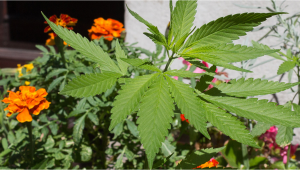
Mask that sh**! Instead of trying to scrub the air clean with a carbon filter, go the opposite way - use companion plants. By filling your balcony with a range of plant options that have more powerful aromas than your pot, you can effectively mask the smell of your weed. These companions should be chosen carefully and not just for their smell but also for their beneficial relationship with cannabis. There is a huge range of plants that will not only smell great but also encourage beneficial insects into your balcony garden, which can help protect your weed from pest infestations.
A few good options are jasmine, lavender, rosemary, basil, marigold, coriander, mints, peppermint, cerastium, sunflowers, and red clover. Not only do these all have strong aromas that will blend in with the smell of your weed to create a much more pleasant overall aroma, but they are also very helpful to cannabis plants in terms of pest control. And then there is the Japanese maple tree. These small maples are gorgeous to look at, and while they do not mask any smell or increase the likelihood of beneficial insects joining the garden, the leaf structure is quite similar to weed, which can help hide your crop.
If you don't want to use companion plants, then you can always try to mask the smell with something techier. There are a number of odor control products on the market, from candles to sprays, that can help keep your grow smell-free. Careful, though; some of these products may have a negative effect on your plants, so it is always best to do your research before investing in anything. In general, we do not really recommend going down this path. Whatever you do, just make sure to take care of the smells, so that your neighbors never need to know about it! That way you can enjoy the fruits of your labor without having any unwanted visitors.
9. In Conclusion
If there's something we've learned is that where there is willpower there are solutions. And one-second lesson we've learned is that weed plants adapt to different growing conditions like chameleons. Growing weed plants on a balcony is just as sustainable as doing it any other way. It just takes putting some more thought into it to make sure nothing gets out of hand, and you should expect to harvest some nice buds in no time. Enjoy growing your weed plants on your balcony! It'll definitely be a funny future anecdote.
FAQ
Generally speaking, yes. That's not to say that autoflowers produce better yields or higher-quality buds, as both types of cannabis can deliver similar results. However, autoflowers generally finish faster and tend to stay more compact, making them a more convenient option for growing on a balcony.
The legality of growing weed on your balcony depends on several factors, including the laws in your state or country. Even in places where recreational cannabis cultivation is legal, growing outdoors in an area that's visible or accessible to the general public may be prohibited. Make sure to check your local laws and regulations before attempting to grow cannabis on your balcony.
Yes, there's a good chance they will. Depending on the size of your balcony, airflow, the number of plants you're growing, and how high above street level you are, your neighbors and even passersby might catch a whiff. To help minimize unwanted odors, consider using aromatic companion plants, carbon filters, or odor-control products. Keep in mind, though, that these methods may reduce or mask the smell without eliminating it completely.
No, you don't need a grow tent to grow cannabis on your balcony. You can use covers or screens to protect your plants from harsh weather conditions if needed, while also providing some extra privacy. However, a grow tent can offer more privacy and greater control over the growing environment, particularly when it comes to temperature, humidity, and light exposure.
High-quality soil is generally a good starting point for growing cannabis, although some mixes may contain too many nutrients for young seedlings. For the best results, consider choosing a cannabis-specific soil or coco coir “light mix”, or making your own growing medium.


Comments