



5 Common Mistakes When Growing In Aeroponics



- 1. Not monitoring closely
- 2. Not enough light
- 3. Not fixing water leaks
- 4. Not cleaning properly
- 5. Not adjusting ph level
- 6. Plan ahead
- 7. Underestimating costs
- 8. In conclusion
A
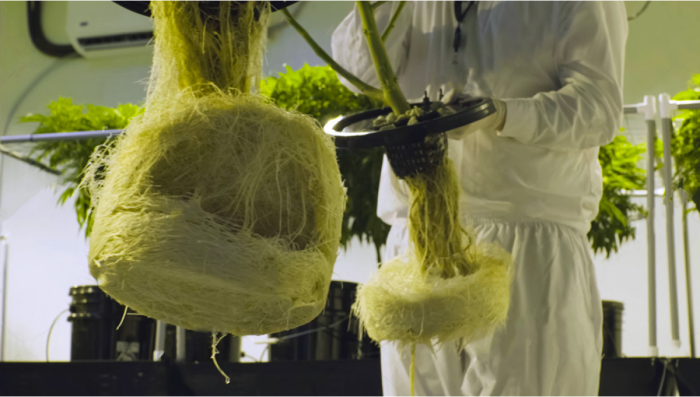
Aeroponics is a type of hydroponic growing system that can produce top-quality cannabis when managed correctly. However, it requires knowledge, experience, and careful monitoring to achieve the best results. While aeroponics offers several benefits, it also comes with challenges that can quickly turn into serious problems if not addressed in time. Many of these issues result from common mistakes, especially among inexperienced growers.
Unlike traditional hydroponics, where roots are submerged in or regularly exposed to nutrient solution, aeroponics suspends the roots in an enclosed chamber and delivers nutrients through a fine mist or spray. This provides direct access to oxygen while maintaining root moisture, but it also means that pump failures, clogged nozzles, or interruptions in water delivery can quickly stress plants.
To help you avoid them, here are the 5 most common mistakes when growing cannabis seeds in aeroponic systems in 2026.
1. Not Monitoring Closely
Not monitoring your plants closely is the main problem in this kind of system. By monitoring not only the plants but also the setup itself you will guarantee to not have all the other problems below. Monitoring every single aspect of the aeroponic system itself (water, nutrients, reservoirs, pump, etc.) and also the plants (growth and condition of the plant itself) is the basis for being able to get to your harvest successfully.
The most important factor to monitor is electrical conductivity (EC), which indicates the concentration of dissolved ions in the nutrient solution. Tracking EC alongside pH and water temperature can help identify nutrient imbalances before visible symptoms appear. It's also worth checking that every spray nozzle is functioning properly, since a partially blocked nozzle can leave some roots without adequate moisture.
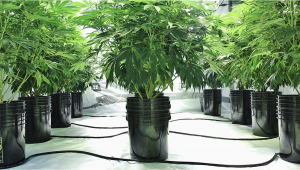
Of course, many growers initially get into aquaponics because they want to invest less time in constantly tending to their crops. The majority of them have already experienced growing cannabis in soil, whether indoors or outdoors. Although it’s possible to automate this process, growers often find themselves patrolling their plants for pests and diseases, watering manually, and mulching and feeding multiple times per week. Aeroponic growers have an easier time completely automating their system using timers and sensors. However, this doesn’t mean you can get away with zero monitoring whatsoever. You should routinely check your pipes for leaks, your reservoir for the water level and pH, and also your leaves and buds for any signs of deficiency or pathogens.
Modern monitoring equipment can make this process easier. Digital sensors, water-level alarms, and remote monitoring systems can alert growers to unexpected changes, although sensors still need regular calibration and manual checks.
2. Not Enough Light
Lighting is one of the most important investments in all types of growing setups, and in aeroponics it is no different, as light is the most important element in plant growth. Buying the right light fixture is the difference between a beautiful plant and an underperforming one. If you’re going to invest in a good aeroponic setup, you cannot go cheap on the lights. If you buy the wrong kind of light or bad-quality lights, your plants will not develop properly.
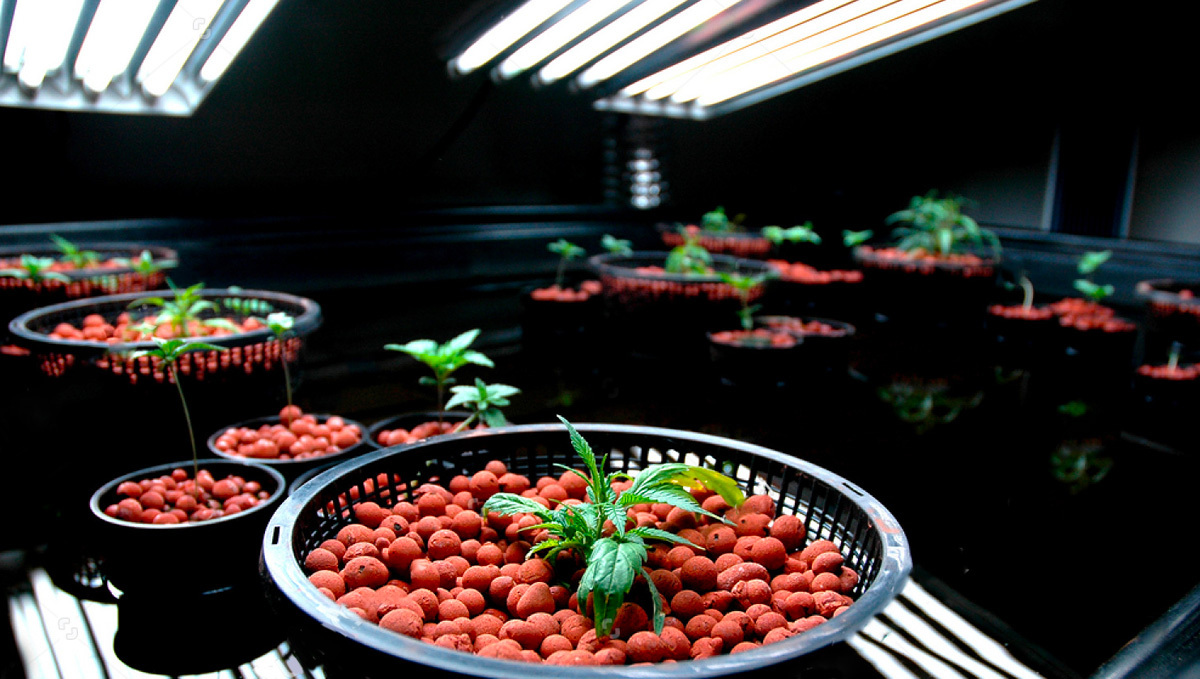
The best way to avoid this is to research what kind of light your plants need and try to get informed about the different types of lights (like LEDs and light bulbs), their intensity, spectrum, and all there is to know before investing in an expensive light fixture.
When comparing grow lights, pay attention to photosynthetic photon flux density (PPFD) and daily light integral (DLI), rather than wattage alone. PPFD measures the amount of photosynthetically active light reaching a given area each second, while DLI measures the total received over a day. Both help evaluate whether a lighting system delivers sufficient light without wasting energy.
Skimping on the best light setup you can access will impact your crop in numerous ways. Early on in the growing cycle, seedlings need ample exposure to adequate light intensity in order to form properly. If you turn on your lights too late or position them too far away, your seedlings will desperately grow tall in search of photons. This leads to a phenomenon known as legginess that can lead to weak stems further down the line. Because plants depend on light to create energy, any lack can lead to stunted growth, poor development, and subpar yields.
3. Not Fixing Water Leaks
Water leaks can happen anywhere and anytime. They especially happen at joints between water tubes and reservoirs or pumps. This happens mainly when the amount of water your pump can handle is lower than what you need or if the reservoir can’t hold all the nutrient solution in the system. This will cause the solution or water to back up, causing the roots to clog up the tubes, and sometimes that can cause the pump to fail, causing a complete failure of the system in just a few minutes.
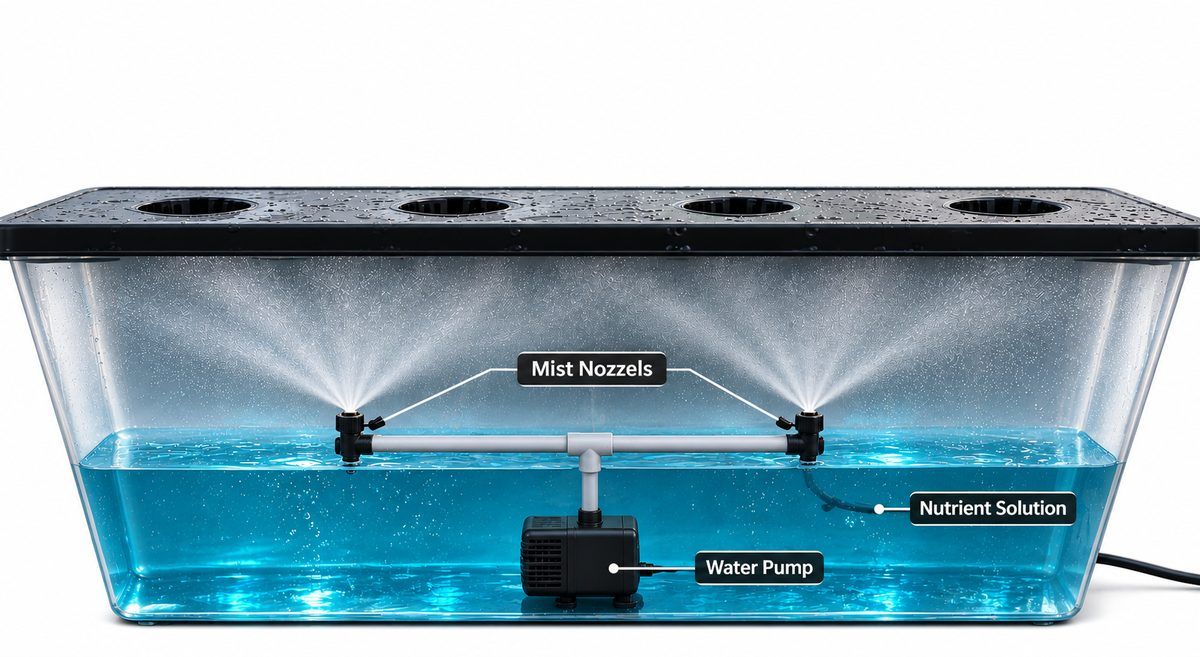
Leaks can also result from worn seals, loose fittings, cracked tubing, excessive pressure, or blocked return lines. In high-pressure aeroponic systems, choosing components rated for the operating pressure is particularly important. A pump's flow rate and pressure rating should match the requirements of the spray nozzles and the overall system design.
To prevent this, you have to properly calculate the amount of water your pump can handle and have a decent-sized reservoir for the number of plants you want to grow. Aeroponics is not for beginner growers, and even more experienced growers can experience problems the first time dealing with this kind of system.
It's also worth considering a backup power supply or an emergency watering system. Unlike plants growing in soil, aeroponic plants have very little moisture stored around their roots, so extended interruptions in misting can cause rapid dehydration.
4. Not Cleaning Properly
As in every grow setup, not cleaning properly will cause bugs to appear and can cause diseases in your plants. In aeroponics, this affects the health of your plants really quickly because the roots are directly exposed to the environment. Not only in aeroponics, but also in hydroponic systems, you should always keep the reservoirs, tubing, and equipment clean. Failing to do so can attract bugs, and it may cause algae to grow in the reservoirs, which will then be sprayed directly on the roots and can ultimately cause root rot.
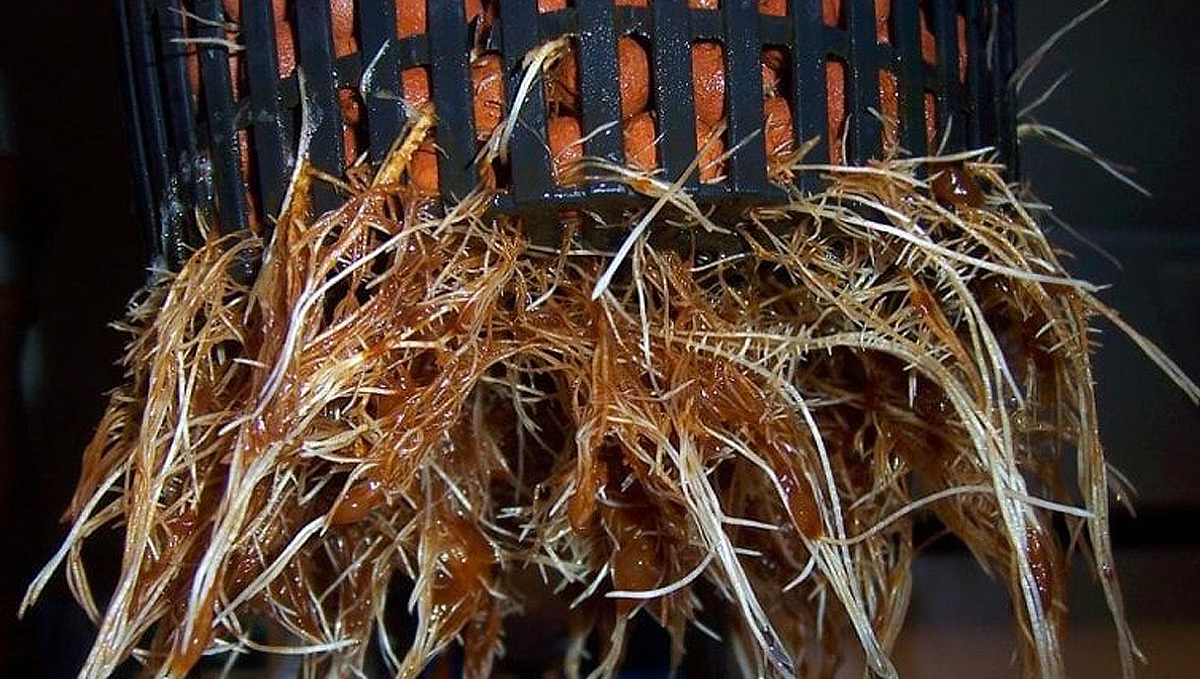
Another common issue is biofilm, a layer of microorganisms that can develop on wet surfaces inside reservoirs, tubing, and spray nozzles. Biofilm can reduce water flow, contribute to blockages, and provide conditions that allow certain plant pathogens to persist. Keeping nutrient reservoirs opaque also helps prevent algae growth by blocking light.
To prevent this, most growers use a solution of 10% hydrogen peroxide and water (100ml hydrogen peroxide and 900ml of water) or branded cleaning products for this type of system. You will have to run the cleaning solution throughout the entire system and use it to clean the inside of the reservoirs. This, along with the proper disposal of plant material (leaves, branches, roots), will guarantee a disease-free plant.
Make sure to use a disinfectant specifically approved for the equipment and application. Always follow the manufacturer's dilution and contact-time instructions, and never mix cleaning chemicals. Hydrogen peroxide concentrations vary widely between products, so a universal dilution ratio is not appropriate.
5. Not Adjusting pH Level
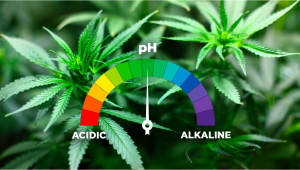
The most important measurement for any growing setup is the pH level. Your plants thrive because of two factors: light and nutrients. The pH level is what allows the plant to absorb nutrients. If the solution has a higher or lower pH level (too acidic or too alkaline), your plants will have slower growth and start to show signs of deficiency or simply die.
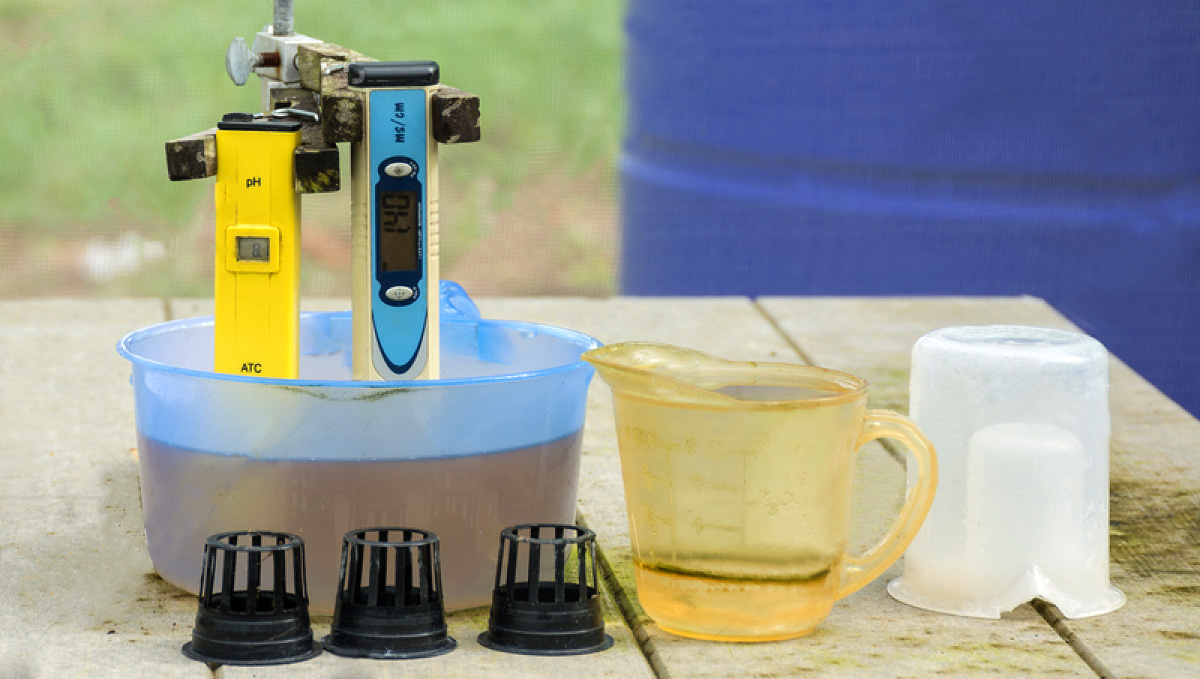
In soilless hydroponic systems, nutrient solutions are generally maintained in a mildly acidic range, commonly around pH 5.5–6.3, although the appropriate target depends on the nutrient formulation and growing conditions.
You will need to measure the pH level every day and even multiple times a day. If the pH goes up or down out of the desired range, you have to fix it immediately, or it will prevent your plant from absorbing nutrients. This is a super-serious problem in aeroponics because all the plants are fed the same solution. If the pH levels are off, it will affect all plants at once and can completely ruin your harvest.
Remember that pH meters require regular calibration and proper storage to remain accurate. Also, avoid making large adjustments based on a single unusual reading. First verify the measurement and investigate possible causes, such as nutrient uptake, water alkalinity, or changes in the reservoir.
6. Plan Ahead
Especially if you’re a beginner, it’s highly recommended to keep things as simple as possible. Even though aeroponic systems can be set up in any location, you will have to design your system based on the space available, so always plan and try to adjust your system to your grow space and design it as efficiently as possible.
When designing your system, don't forget to leave enough space to access the reservoir, inspect the roots, clean the nozzles, and replace components. You should also consider ventilation, electrical safety, and drainage, especially because aeroponic systems combine water and electrical equipment.
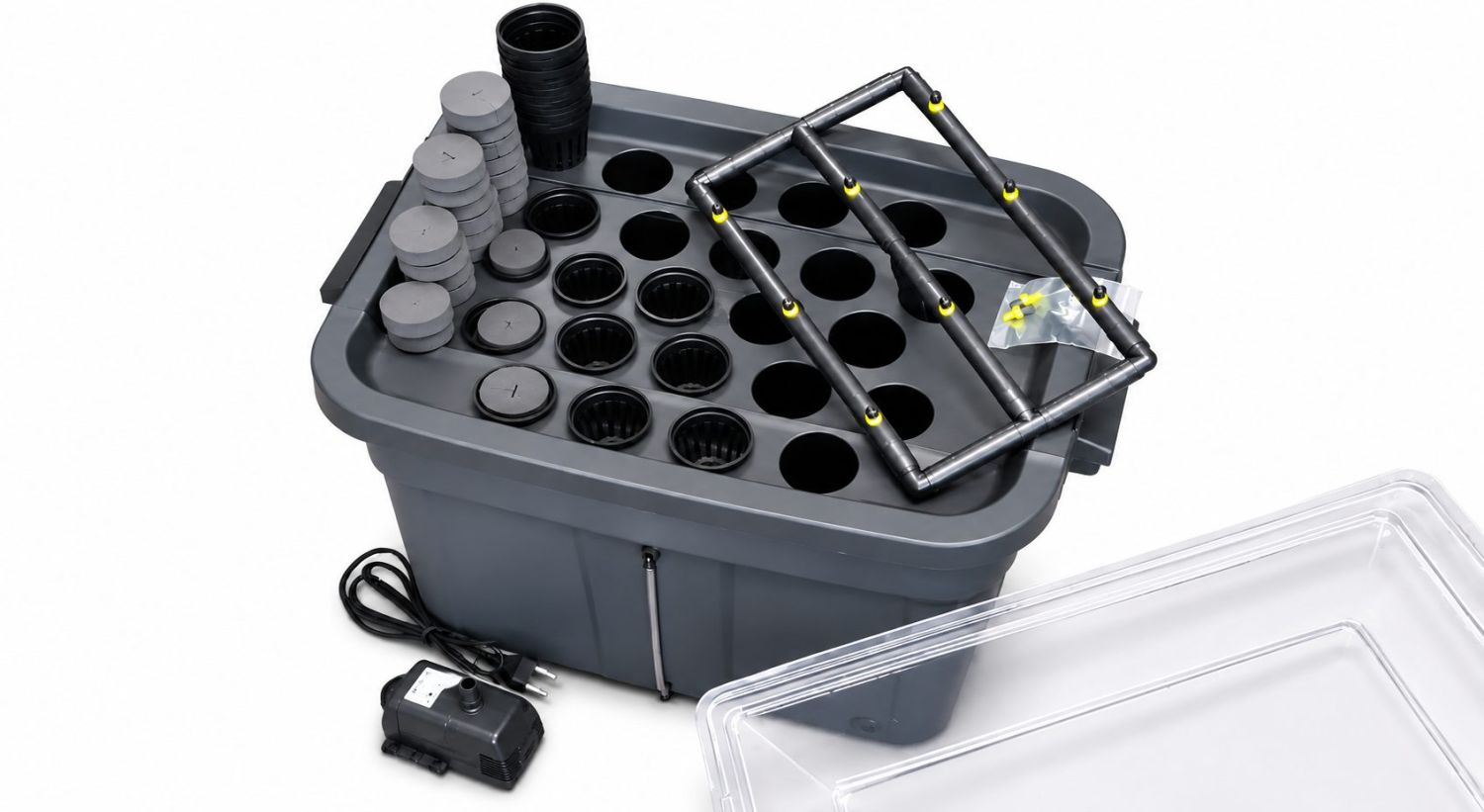
For example, if you do not plan and take everything into consideration, you may not have enough space to fit a draining reservoir, so you will have to empty the reservoirs with a bucket, which requires a lot of time and effort. So remember, plan, as failing to do this could result in you having to put in more time, effort, and work, as it will make it harder for you to handle and move around the plants, harvest plants, and replace components, among others.
Another important consideration is what happens during a power outage or equipment failure. Having spare parts, accessible shutoff valves, and a contingency plan can help prevent a minor technical issue from becoming a major problem.
7. Underestimating costs
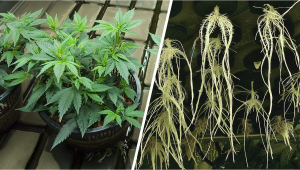
As you may know, aeroponic systems are automated, so you need special equipment for them to work properly. Underestimating the costs can leave you without money and a properly working aeroponic system. So remember to calculate costs thoroughly before buying anything.
Remember that the initial setup is only part of the total cost. Electricity, replacement filters, pumps, spray nozzles, nutrients, cleaning products, and monitoring equipment can all contribute to ongoing expenses. High-pressure aeroponic systems may also require more specialized components than simpler low-pressure setups.
It's worth setting aside a maintenance budget for unexpected repairs. Investing in reliable equipment and easily replaceable components can help reduce downtime and prevent more expensive problems later.
8. In Conclusion
Aeroponics (and also hydroponics) are in no way for beginners. This doesn’t mean you can’t try it yourself, but there will be a lot of trial and error before you can manage to successfully harvest for the first time. Before starting to experiment with aeroponics, we recommend having quite a lot of knowledge in growing cannabis and never cheap out on the equipment. This can be the decisive factor between the desired harvest and an underwhelming one.
Ultimately, understanding how the system works, maintaining clean equipment, and identifying problems early are more important than having the most expensive setup.
FAQ
Water pH influences how easily plant roots can absorb dissolved nutrients. When pH moves outside an appropriate range, certain minerals may become less available, potentially causing nutrient deficiencies or imbalances.
Yes, recirculating hydroponic systems can use less water than some conventional soil-based cultivation methods. Water that is not absorbed by the plants can often be collected and reused.
Hydroponic cultivation can lead to faster-growing plants because water and nutrients are readily available to the roots. However, faster growth is not guaranteed.
Initial costs can be higher than those of basic soil cultivation because hydroponic systems require specialized equipment such as reservoirs, pumps, monitoring devices, lighting, and environmental controls.
Hydroponic cultivation does not automatically produce higher-quality cannabis. The final quality still depends on genetics, plant health, and environmental conditions, among other things. Both hydroponic and soil systems can produce high-quality plants when managed appropriately.

Comments